History
Travel through our time. Relive the moments in history that have built today’s Durham at the sites where the stories happened.
Every corner of the Bull City reveals chapters of American history – from tobacco and textiles to Black Wall Street and the nation's first sit-ins. You'll feel how our past has shaped a powerful present and an even more compelling future.
Durham's Three State Historic Sites
Durham is home to more state historic sites than any other county in North Carolina. Each invites you into an essential American story:
Stagville State Historic Site
Stand in the living quarters where enslaved people laid every brick by hand. You'll see their fingerprints in the clay – literal impressions left behind by the people who built one of the largest plantations in the South. Through powerful programming centered on their lives and cultures, you'll connect with stories that rarely get told but demand to be heard.
Bennett Place State Historic Site
Walk the grounds where the largest troop surrender of the Civil War took place, effectively ending the bloodiest conflict in American history. This quiet farmhouse, one of five Civil War Trail markers in Durham County, became the setting for a pivotal moment when reconciliation began to replace bloodshed. You'll understand why this place mattered then and matters now.
Duke Homestead State Historic Site
Trace our transformation from a small tobacco farm to the cigarette capital of the world. You'll see how Durham's story has come full circle – from the City of Tobacco to the City of Medicine, a testament to our ability to evolve and reinvent.
The Civil Rights Movement in Durham
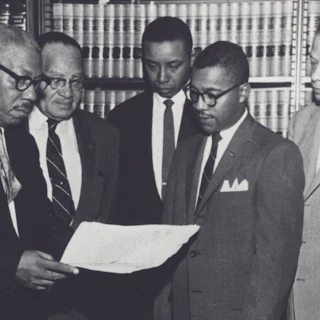
Our legacy of activism extends far beyond historic sites. Durham is where The Civil Rights Movement gained significant traction, where one of the nation's premier Black universities was built, and where you can walk the same streets where history was made.
Learn more in the African American Heritage Guide
The Pauli Murray Center for History and Social Justice
Step into the childhood home of someone who changed America. Pauli Murray's scholarship influenced Brown v. Board of Education, Reed v. Reed and the Civil Rights Act of 1964. This is one of only 2% of National Register sites that document the intersection of African American, women's and LGBTQIA+ history. You'll leave inspired by what one person's courage can accomplish – and what yours might too.
The Hayti Heritage Center
Experience the cultural heartbeat of Durham's original Black Wall Street. For five decades, this center has been a cornerstone of Durham's historic African American community, offering programming that entertains, educates and sparks meaningful dialogue.
Carolina Theatre: Confronting Change Exhibit
Witness where courage met resistance on a summer day in 1963. The Carolina Theatre's Confronting Change exhibit brings you face-to-face with Durham's own sit-in movement, when activists challenged segregation at this historic venue. You'll understand how a local theater became a battleground for equality – and how that fight reverberates in the century-old theater that still brings our community together today.
Royal Ice Cream: Where It All Began
See relics of the site of the South's first sit-in, three years before Greensboro made headlines. In 1957, Reverend Douglas Moore and a group of activists took seats at the Royal Ice Cream counter and refused to move, igniting a movement that would change the nation.
Living History, Modern Discovery
Museum of Durham History
Our 21st-century Museum of Durham History tells the complete story of our city, while walking tours uncover hidden narratives in downtown streets and historic neighborhoods. You'll find lighter moments, too, like exhibits on the baseball card's origins alongside the weightier chapters that shaped a nation.
Hugh Mangum Museum of Photography
At West Point on the Eno, you can find the photographic work of Hugh Mangum, a Durham local who came up in the later 19th and early 20th centuries, during the city's tobacco boom. See portraits of Durham locals from a bygone era, telling the story of the city through stills of its people. You can also see Mangum's work at the Visitor Info Center in its Anonymous Ancestors exhibit.
Come ready. Leave changed, equipped, and steeled for whatever comes next.

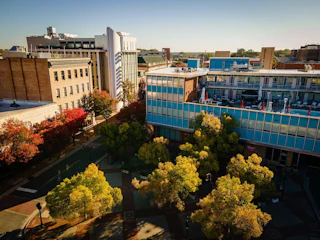
Much has changed since Native Americans settled in what is now Durham along the Eno River in the 1700s. Much has not. While Durham grows, it still embraces its foundation of diversity, grit and innovation. In ways both conventional and uncommon, Durham’s path has been paved by people coming together and finding a way to spark and drive change.
In 1865, Union and Confederate armies met at Bennett Place, a small farmhouse in northern Durham, marking the largest troop surrender and effective end of the Civil War.
Six African Americans sat together and took a stand when they demanded change at the segregated Royal Ice Cream Parlor, which was one of the first sit-ins of the Civil Rights Movement.
Countless brilliant minds from all over the world come to Durham, whether to attend, teach, or conduct research at Duke or North Carolina Central Universities. They also meet at the Research Triangle Park, one of the largest research parks in the world. The fruit of those minds coming together are undeniable, with such innovations as the barcode, AstroTurf, AZT, LED Lighting and UPCs.
From tobacco and textiles to Black Wall Street, Durham’s history has been crafted by a community of entrepreneurs. Our namesake Dr. Bartlett Leonidas Durham led the way, granting four of his 100 acres to be used by the North Carolina Railroad and “Durham Station.” Over time, Durham became known for healthcare innovation, earning us our ‘City of Medicine’ moniker. We are home to Duke University Medical Center, a hub for life-saving treatment, information technology and biotechnology.
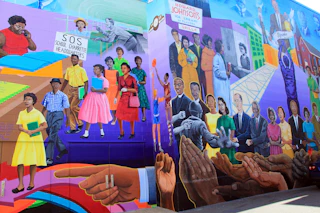
We’re also home to the championship-winning Durham Bulls baseball team. You may know them from the cult-favorite movie Bull Durham. Evidence of our history is tucked into every brick-laden corner; our story is unapologetically painted as murals on our walls for all to encounter on their journey.
Our past is as prominent in our present and future as Major, our 10-foot-tall bronze bull in our city center. We’re the Bull City and we’ve used our hooves, head and heart to reinforce the strong qualities of our city, even in the face of adversity. Discover Durham. We’re ever-changing… and never changing.

The Durham Way
Loading results...
No results were found.
None of the results have location data.
out of results don't have location data.
To view the distance from a specific location, turn on the "Near Me" filter, then click and drag the blue point on the map.