






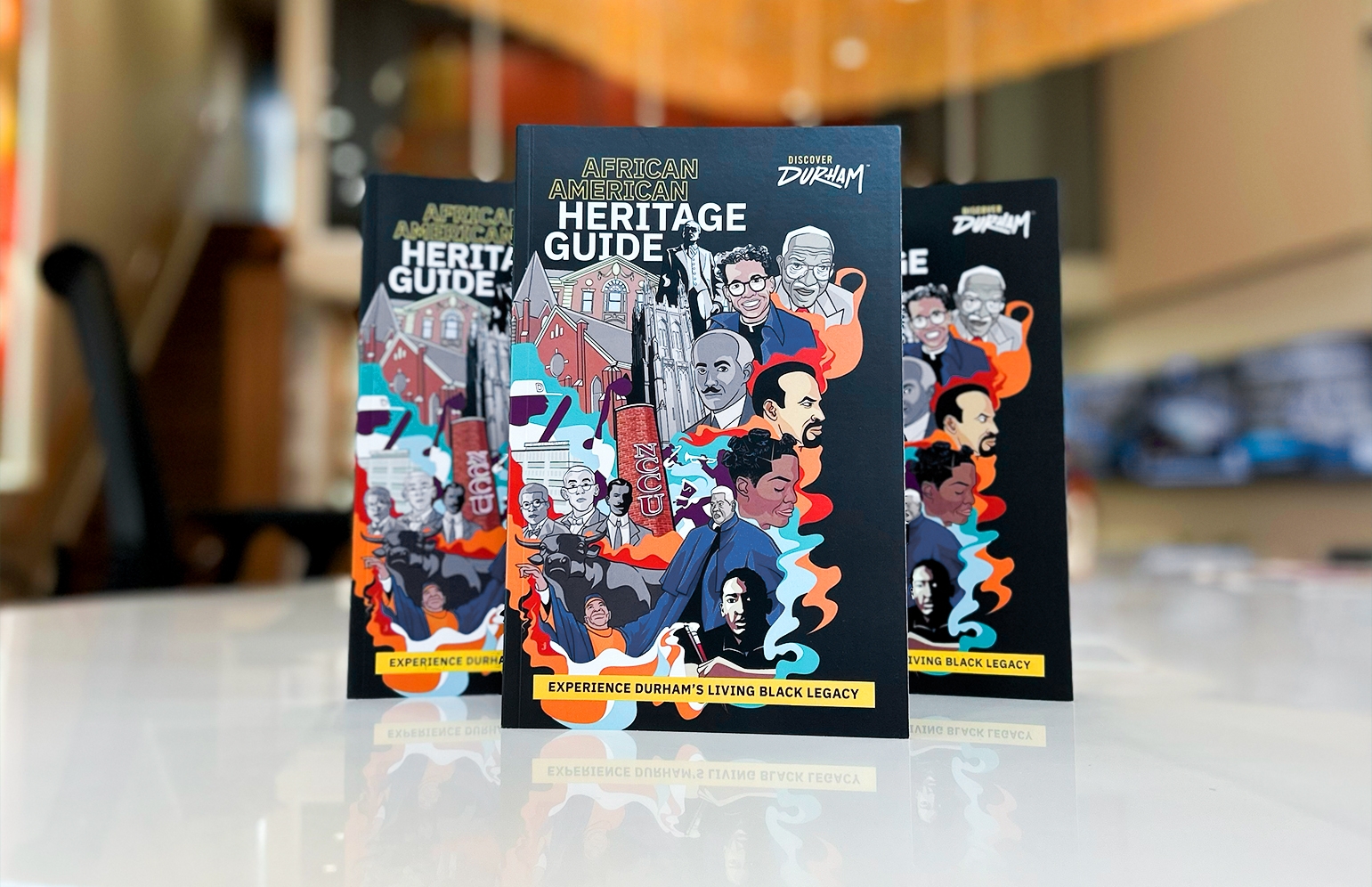

Welcome to Black Durham – where the past meets the present, and African American stories continue to unfold with grace, dignity, and pride. May this guide offer you moments of understanding, connection and celebration as you embark on this unforgettable exploration of African American heritage in the Bull City.
Black Stories of Durham’s Past & Present
The history of Black people in Durham is a story of resilience and innovation, a legacy that has persevered into the 21st century.
This story is a part of our African American Heritage Guide Project, a printed guide and collection of stories about Durham's Black history, culture, community and entrepreneurship created by Black writers, poets and artists. Find more stories and information about the guide.
This is Black Durham
By Justin Laidlaw–Writer, journalist and multimedia producer born and raised in Durham
Durham is synonymous with Black excellence in all pillars of life: education, health care, sports, science, business and the arts. From the Civil War to the Civil Rights Movement, and into the present, the Black community has imprinted its indelible mark upon the Bull City and the nation.
As the winds of progress blew through the streets, billows of American Tobacco smoke dissipated, and the City of Medicine was built on its ashes, a place where Black folks came to be healed at Lincoln Hospital thirty-six years after President Lincoln’s emancipation reached the last corners of the country in Galveston, Texas.
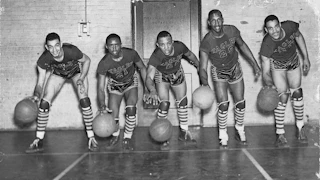
Durham was a beacon of racial cooperation decades before other communities in the South. In the 1940s, all-Black and all-white basketball teams from North Carolina Central University and Duke University competed in secret because the pursuit of excellence and “the Brotherhood” of sports existed here long before Duke men’s basketball adopted the moniker. Oh, and the Eagles won that secret game.
At the dawn of the 20th century, Booker T. Washington traveled through Durham where he became acquainted with Black captains of industry like John Merrick, a former slave who became a titan of economic prosperity and established himself as a force for financial freedom in the Jim Crow South, founding businesses alongside other prominent entrepreneurs in health care, education, insurance, and banking, building Durham’s Black Wall Street brick-by-brick.
But Durham still fell victim to the same traps that handicapped true prosperity for Black people. As the city grew, new opportunities for “urban renewal” put historically vibrant neighborhoods like the Hayti community in the crosshairs. Black communities were subjected to large development projects where the government often used eminent domain to demolish neighborhoods for the “greater good.” When folks were forced to relocate, the practice of redlining used by banks and real estate firms sequestered Black families into less-desirable areas, reinforcing the negative health and economic outcomes that Black folks across the country had been subject to for decades.
While urban renewal and redlining tried to divide us, folks like civil rights activist Ann Atwater were building bridges. Bullish and steadfast, her approach to community organizing put Ann in direct conflict with the Durham chapter of the Ku Klux Klan and its leader, C.P. Ellis. The two opposing leaders would eventually co-chair a charrette that brought together Black and white residents to diffuse rising violence over school integration. Ann was so strong in her convictions that not only did the charrette lead to monumental change in the school system, she also developed a lifelong friendship with Ellis who deserted the Klan at the charrette’s conclusion.
Black history in Durham IS Durham’s history. Every step you take in this city is built upon the contributions of countless people, some of whose stories are still being written. Look down and you might see the “Fitzgerald bricks” that look like boomboxes, broadcasting the voices of blue-collar workers who literally built what we see today. Look up and witness the brilliance of architect Phil Freelon, whose unique designs span from the Durham transit station to the National Museum of African American History and Culture in D.C., the house of our nation’s Black excellence. Take a stroll through Duke campus and marvel at the work of Julian Abele, a prolific architect in his day who is responsible for two of Durham’s most iconic landmarks: Cameron Indoor Stadium, a mecca of basketball culture, and Duke Chapel, renowned for its unique gothic design.
The legendary New York City hip-hop artist Big Daddy Kane once proclaimed he found “Brooklyn in the South.” Durham, like its spiritual sister city to the north, has been a haven for Black creativity. Fitting that the rapper made his declaration on a track with Little Brother, Durham’s own celebrated, prolific hip-hop group. The Bull City is home to Black tastemakers like fashion editor Andre Leon Talley, painter and illustrator Ernie Barnes and jazz singer Nnenna Freelon who have traveled the world to showcase Durham’s artistic genius for an international audience.
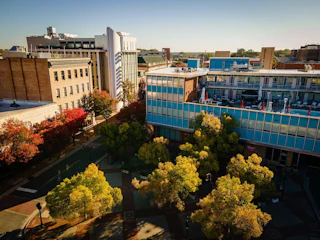
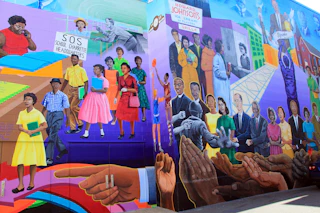
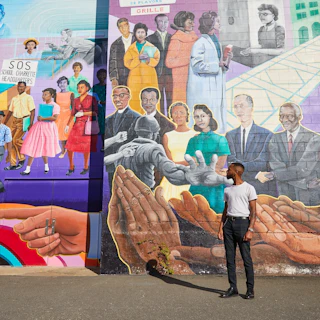
The streets of Durham today are a mosaic of memory and hope, its walls adorned with murals that tell stories of old heroes and new challenges. From the hallowed halls of NCCU to the revived corridors of Black Wall Street, the Black community continues to be a wellspring of innovation and cultural richness. The city itself, much like the Hayti district of old, stands as a beacon of Black achievement and a testament to the power of community and perseverance.
Thus, the narrative of Black Durham weaves through the fabric of American history, a vibrant thread in the tapestry of our nation. It is a story of triumph and tribulation. In Durham, the past is not simply remembered; it is championed, learned from, and built upon, a foundation as resilient as the spirit of those who have walked its paths.





Where Black History Lives
Events Happening
Loading results...
No results were found.
None of the results have location data.
out of results don't have location data.
To view the distance from a specific location, turn on the "Near Me" filter, then click and drag the blue point on the map.


