
A Guide to the Carolina Theatre of Durham
The historic Carolina Theatre is a crown jewel of Durham, hosting touring performers and local events in its main hall and showing films in... Read More
The Carolina Theatre is celebrating it's 100th anniversary, and you're invited.
Posted By Heather Darnell on Feb 11, 2026
A majestic theater stands in the center of downtown Durham, bearing witness to the past 100 years. Since opening in 1926, the Carolina Theatre has been a gathering place. It entertained busloads of troops from Camp Butner during World War II, was a site for non-violent protests during the Civil Rights Movement and was almost shuttered for good at the end of the 20th century when it fell into disrepair. Despite great cultural and social changes, the theater has stood the test of time and continues a great legacy of entertainment and community spirit in Durham.
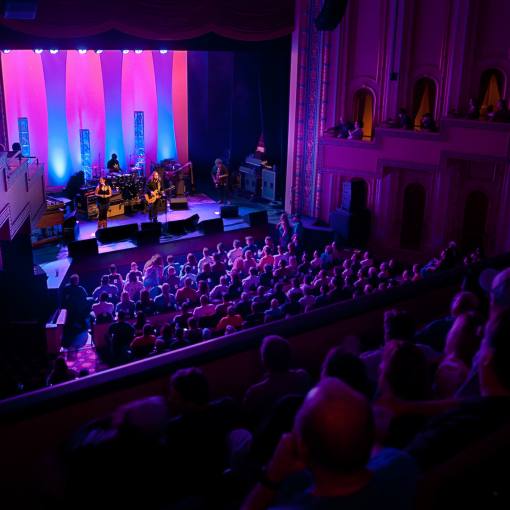
Today, the bright lights of stage and screen from around the world come to Durham, an electric hotspot for arts and entertainment in North Carolina. The Carolina Theatre has been a part of this renaissance including other larger venues like the Durham Performing Arts Center and Baldwin Auditorium, along with smaller music halls and gathering places like Motorco or The Pinhook. The Carolina Theatre is unique in that it offers both live entertainment and films. Visitors can see their favorite band or comedian and see a newly released or old favorite movie on the big screen.
“For generations, the Carolina Theatre has been a shared place where the community gathers to laugh, learn, celebrate and reflect together,“ said Randy McKay, the President & CEO of Carolina Theatre of Durham. “It is where people saw their first movie, attended their first concert, or experienced a live performance up close.”
The Carolina Theatre draws visitors from all over the world. Its front columns and yellow brick facade welcome patrons with its original name, “Durham Auditorium,” etched in stone. At night, the historic neon “The Carolina” sign lights the way for movie and theater goers. The theater, which contains the 1,000-seat Fletcher Auditorium along with the 226-seat Cinema One and 49-seat Cinema Two, hosts events like concerts, comedy shows, film festivals and retro movie series. Rock stars, actors, world-famous comedians and dancers have graced its stage and delighted audiences. Film buffs come to enjoy double features, retro movies, and film festivals like the FullFrame Documentary Film Festival, OUTSOUTH Queer Film Festival and the Nevermore Film Festival featuring horror and sci-fi films. Our Guide to the Carolina Theatre includes everything you need to find the perfect show, performance or film at the theatre and how to plan your night out.
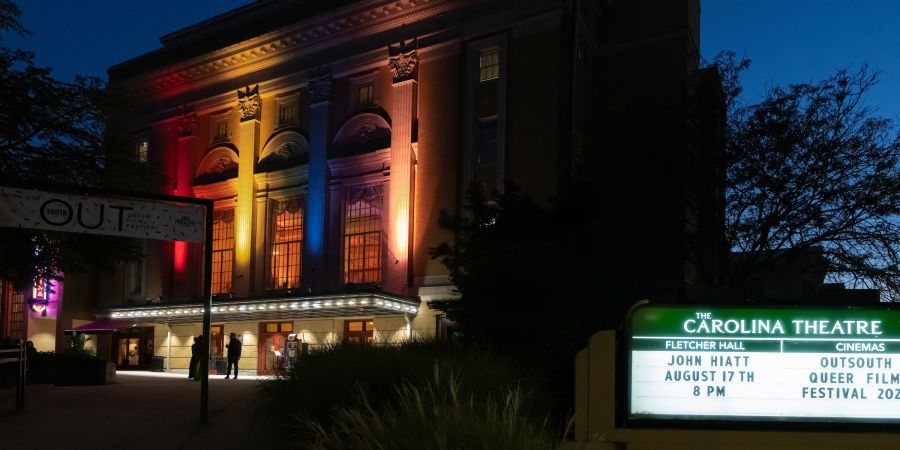
For decades, the Carolina Theatre has hosted some of the most amazing performances and festivals. Photo: Alec Himwich / Carolina Theatre
Originally opening February 2, 1926 as the Durham Auditorium, the theater was uniquely designed in a Beaux–Arts style. Three years later, the theater was renovated and renamed the Carolina Theatre. In the 1920s and 30s, the Carolina Theatre was a movie theater that also presented stage shows and concerts. It hosted community events like Miss Durham contests and touring acts that included Katharine Hepburn, Marian Anderson and Tallulah Bankhead. In the 1940s, soldiers flocked to the Carolina Theatre to watch movies, buy war bonds and support the war with tin can collection for admission. Because of blackout regulations during the war, the theater had its windows painted black and removed marquee bulbs for enhanced safety.
During the decades of racial segregation in the American South, the Carolina Theatre was the only theater in Durham that would admit African American people to shows. However, for 37 years, Black patrons were required to use separate entrances, ticket booths, seating and lounges. They were only allowed to sit in the top balcony, and had to climb 97 stairs, sometimes in uncomfortably hot temperatures to reach the second balcony.
In the 1960s the Carolina Theatre became a flash point for civil rights protests. Because the theater was owned by the city, residents were opposed to their tax dollars being used to fund segregation practices. Local attorneys and the NAACP worked to change how the theater operated. In 1962, Black patrons organized “round robin” civil disobedience protests by attempting to purchase tickets at the White ticket window. When Black patrons were turned away, they would simply go to the back of the line and try again.
In 1963, Durham mayor Wense Grabarek worked to persuade the Carolina Theatre to integrate, and the theater ultimately agreed. The Carolina Theatre was integrated a year before the Civil Rights Act of 1964 required institutions in the United States to desegregate. Today, the Carolina Theater recognizes the people who protested against segregation and lauds their bravery on the walls of the “Confronting Change” exhibit, which can be viewed by the public for free.
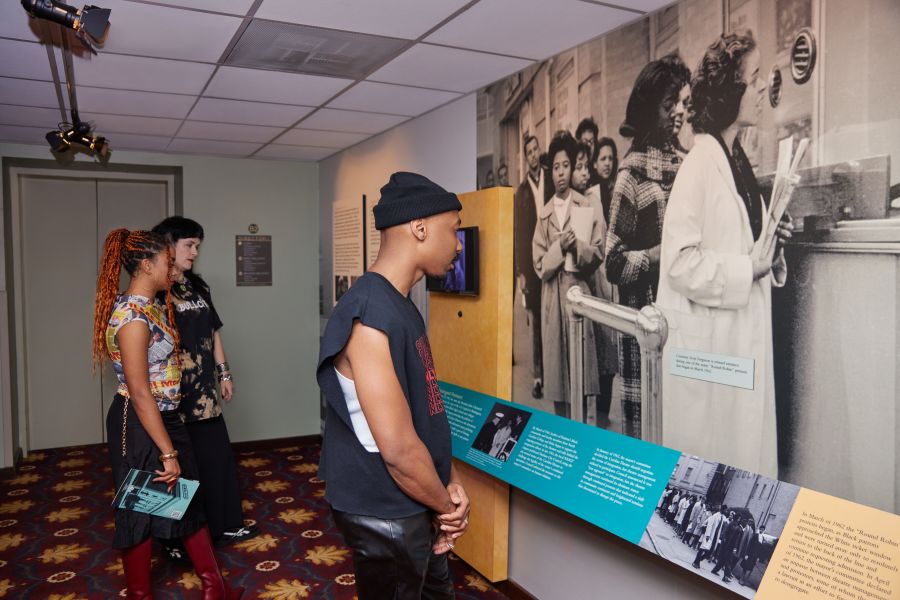
See the Confronting Change exhibit at the Carolina Theatre. Photo: Eric Waters
Throughout the 1960s and ‘70s, population shifts moved people outside of city centers and caused an 80% drop in attendance at the Carolina Theatre. Sadly, the theater fell into disrepair. A volunteer team, led by local activist Connie Moses, worked to save the Carolina Theatre from being torn down. Preservationists ensured that the theater was included on the National Register of Historic Places, and eventually, the City of Durham agreed to lease the building to a non-profit group who would operate the theater for the good of the city. In 1986, $7.8 million was appropriated to restore the theater. Volunteers led the six-year project, which led to its reopening in 1994. The restoration added a lobby, two cinemas, and opened up the second balcony, which had been walled off for over 20 years. Also during that time period, The Durham Convention Center was built next to the Carolina Theatre, which brought additional visitors to downtown Durham.
“Durham has supported the Carolina Theatre not just by showing up, but by believing in it through advocacy, philanthropy, partnerships and an enduring sense that this place matters. The Carolina Theatre exists because the community has consistently chosen to invest in it,” said McKay.
The Carolina Theatre has also been fortunate to showcase Durham by featuring Hollywood films with stories about Durham. In 1988, The Carolina Theater hosted the world premiere of Durham-set movie “Bull Durham,” which is widely regarded as one of the best sports movies of all time. In 2019 the Carolina Theatre hosted a special showing of the Durham-based story, “Best of Enemies,” a movie based on a true story about the unlikely friendship between Ann Atwater, an African-American community organizer, and C.P. Ellis, a former Ku Klux Klan member who helped integrate schools in Durham.
McKay hopes The Carolina Theater will continue to evolve alongside Durham while remaining accessible, inclusive and artistically ambitious. “We want to deepen our role as a cultural hub, expand our educational impact, welcome new generations of audiences, and ensure that this historic space remains financially and structurally strong. Above all, we want the Carolina Theatre to be a place where Durham sees itself reflected on stage, on screen and in the audience.”
The Carolina Theatre plans to celebrate its 100th birthday with a party on April 3, 2026 from 6 p.m. to 9 p.m. This adult version of a birthday party will feature live-band karaoke on stage, drag bingo, classic cartoons in the cinemas, crafts, face painting and a 360-degree photo booth. Buy tickets online or at the box office and raise a champagne toast to the next 100 years.
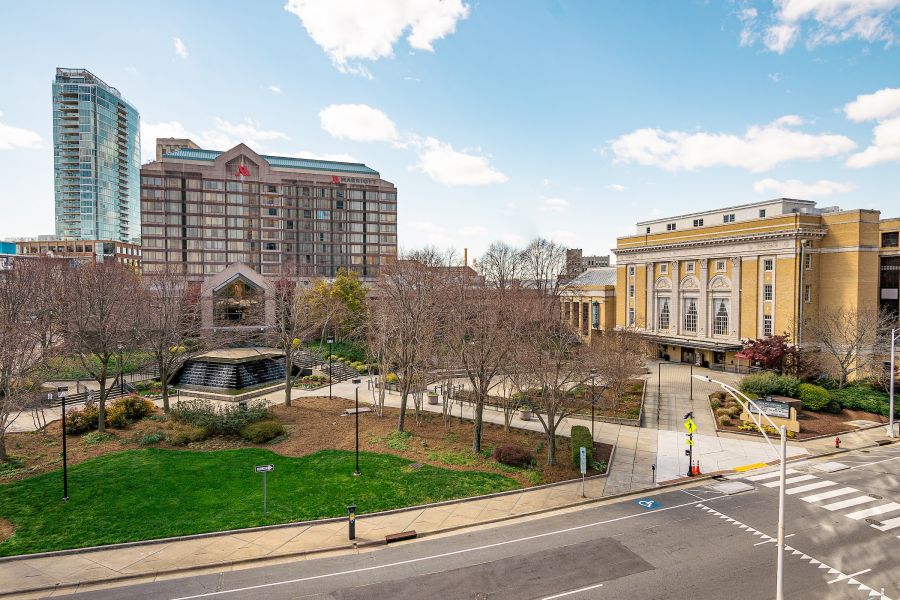
Join the Carolina Theatre in celebrating it's 100th birthday on April 3. Photo: Discover Durham
The iconic Carolina Theatre has weathered the storms of changes and continues to connect people to the past, while providing top-quality entertainment and arts in Durham today. Free self-guided tours of the “Confronting Change” and “Restoring Hope” exhibits are open to the public Monday through Friday from 10:30 a.m. to 5:30 p.m. Visitors can also book free guided tours for groups of 25 or more. Visit the Barnes Box office to purchase tickets to movies, concerts, comedy shows, dance performances, community events, educational programs and more or purchase them online at carolinatheatre.org.
A Guide to the Carolina Theatre of Durham
The historic Carolina Theatre is a crown jewel of Durham, hosting touring performers and local events in its main hall and showing films in... Read More
Plan an Art-filled Trip to Durham
Calling all art lovers! Follow this weekend itinerary through Durham's art scene for a trip full of galleries, performances, public... Read More
The Music Lover's Guide to Durham
From intimate concert venues to historic halls and pop-up performances, Durham's live music scene has grown from its historic roots... Read More